Severe Weather Prep Moves Up the Agenda for Fitness Operators
Why property, interruption and liability cover deserve a pre-summer review
The information on this website is general in nature and does not take into account your objectives, financial situation, or needs. Consider seeking personal advice from a licensed adviser before acting on any information.
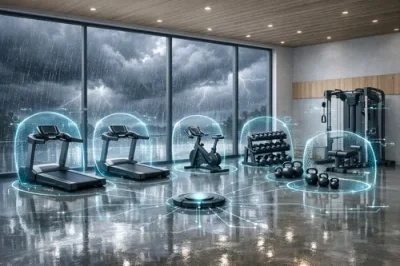
Recent insurance industry warnings about storm, flood and bushfire exposure are a timely reminder for Australian fitness businesses to check whether their cover still matches the way they operate.
For gyms, boutique studios, personal trainers and instructors using hired venues, severe weather is not only a property issue.
It can interrupt classes, damage equipment, affect access to premises and create safety obligations for clients and staff.
This is particularly relevant as many fitness operators have changed their business model over the past few years. Some now combine in-studio sessions with outdoor bootcamps, mobile personal training, online coaching and casual venue hire. Others have invested in reformer pilates equipment, recovery rooms, smart access systems, mirrors, flooring, sound systems and point-of-sale technology. If a policy was arranged when the business was smaller or simpler, limits and listed assets may no longer reflect today’s replacement costs.
The practical issue is that severe weather can expose several parts of an insurance programme at once. Property cover may respond to damage to insured contents or fit-out, while business interruption may help with lost income after an insured event. Public liability remains important if clients, visitors or neighbouring property are affected by an incident connected to the business. Professional indemnity may also need attention where trainers continue advising clients remotely during disruptions.
For fitness professionals, this story is an extension of the broader underinsurance concern already affecting small business policyholders. A storm-damaged studio is difficult enough; discovering that insured values do not cover current replacement costs can make recovery far harder. Rising labour, materials, freight and specialist equipment costs mean last year’s figures may be out of date.
A sensible pre-summer review should focus on:
whether all premises, storage locations and portable equipment are listed correctly;
whether outdoor sessions, pop-up classes and hired facilities are within the business description;
whether business interruption settings reflect realistic reopening timeframes;
whether landlord, council or event organiser insurance requirements have changed;
whether emergency procedures, incident records and client communications are documented.
It is also worth taking time to estimate appropriate sums insured rather than relying on book values or rough guesses. The key is to think in terms of what it would cost to replace, repair and restart now, not what the equipment originally cost.
Severe weather preparation is not just about sandbags and evacuation plans. For a fitness business, it is also about knowing which losses are covered, what evidence would be needed at claim time, and whether policy limits are strong enough to support a genuine recovery.
Please Note: We do not endorse any specific products or companies. Some content is sourced from third parties, including press releases, and may not be independently verified for accuracy or completeness.
Fresh industry reporting on insurance dispute volumes has again put claim handling under the microscope, with delays, communication gaps and disagreements over policy response continuing to frustrate policyholders. For transport businesses, the issue is especially important because a commercial vehicle claim is rarely just about repairing metal. A grounded truck can interrupt contracts, leave freight undelivered and place immediate pressure on cash flow. - read more
Renewed insurance industry warnings about severe weather are a practical reminder for Australian tradespeople: storm risk is not limited to damaged homes and flooded streets. It can also affect tools in a ute, materials stored on site, unfinished work, temporary fencing, scaffolding, electrical gear, excavation areas and client property surrounding a job. - read more
Australia’s financial advice reform debate has moved back into the spotlight, with life insurers and advice groups continuing to argue that many people need simpler, more affordable help to understand the insurance they already hold. For income insurance customers, the issue is practical: cover can look straightforward on a statement, but the detail often sits in definitions, waiting periods, offsets, exclusions and claim conditions. - read more
Recent fleet and transport industry coverage has again highlighted faster movement toward battery-electric and lower-emissions heavy vehicles in Australia, with truck makers, councils, logistics operators and specialist fleets moving beyond short demonstration runs. For truck operators, the insurance question is not simply whether electric trucks are better or worse than diesel. The practical issue is whether the policy reflects a different asset profile, different repair pathway and different downtime risk. - read more
Fresh industry concern about repair delays after severe weather is highly relevant for Australian farms, where a damaged shed, washed-out access track or unavailable part can quickly interrupt day-to-day operations. While the wider insurance discussion often focuses on homes and commercial buildings, the same pressure points can be even more complex on rural properties because assets are spread out, specialist equipment is involved and local contractor availability may be limited. - read more
A life insurance claim can feel difficult to navigate at an emotional time. This guide explains the usual steps beneficiaries follow in Australia, the documents commonly requested, how insurer assessment works, what may cause delays, and where to seek help if a claim is disputed. - read more
TPD insurance can provide a lump sum if you become totally and permanently disabled and meet your policy's definition. Learn how TPD cover works in Australia, how it relates to life insurance, and what to compare before applying. - read more
Life insurance is an essential safety net for families, providing financial security when it's needed the most. As your family grows, the importance of having a well-structured life insurance policy becomes even more critical. In the busy lives we lead today, it’s easy to overlook this crucial aspect of financial planning. However, ensuring your coverage meets your family's evolving needs is vital. - read more
When you’re young, life is all about new experiences and making plans for a promising future. While factors like travel, career, and relationships often take centre stage, one aspect often overlooked is life insurance. It might seem like something to consider later in life, but starting a policy while you're young can be a savvy financial move. - read more
As the landscape of finance and personal security evolves in Australia, the importance of being insured has never been more prominent. In a world of changing family dynamics, economic pressures, and higher living costs, life insurance stands as a bastion of support ensuring the well-being of loved ones in the event of unforeseen circumstances. - read more
Start Here !
Apply now for your free Insurance assessment and price comparisons!
Knowledgebase
Public Liability Insurance: A very broad term for insurance covering liability exposures for individuals and business owners. It provides broad coverage, generally including all exposures for property damage and bodily injury.









No comments yet. Be the first to share your thoughts.